Highly Rated Architects in Marietta
Discover How an Architect Revolutionizes Spaces With Innovative Design and Planning
Architects fulfill a critical purpose in designing settings that merge artistic vision and utility. Their designs consider related resource human behavior, cultural contexts, and sustainable practices. By working alongside clients and stakeholders, architects translate ideas that cultivate feelings of investment. They additionally employ cutting-edge tools to develop flexible environments. The influence of their contributions can be significant, though numerous elements stay unexamined. What actually determines the evolutionary strength of groundbreaking architectural vision?
How Architects Shape Our Environments
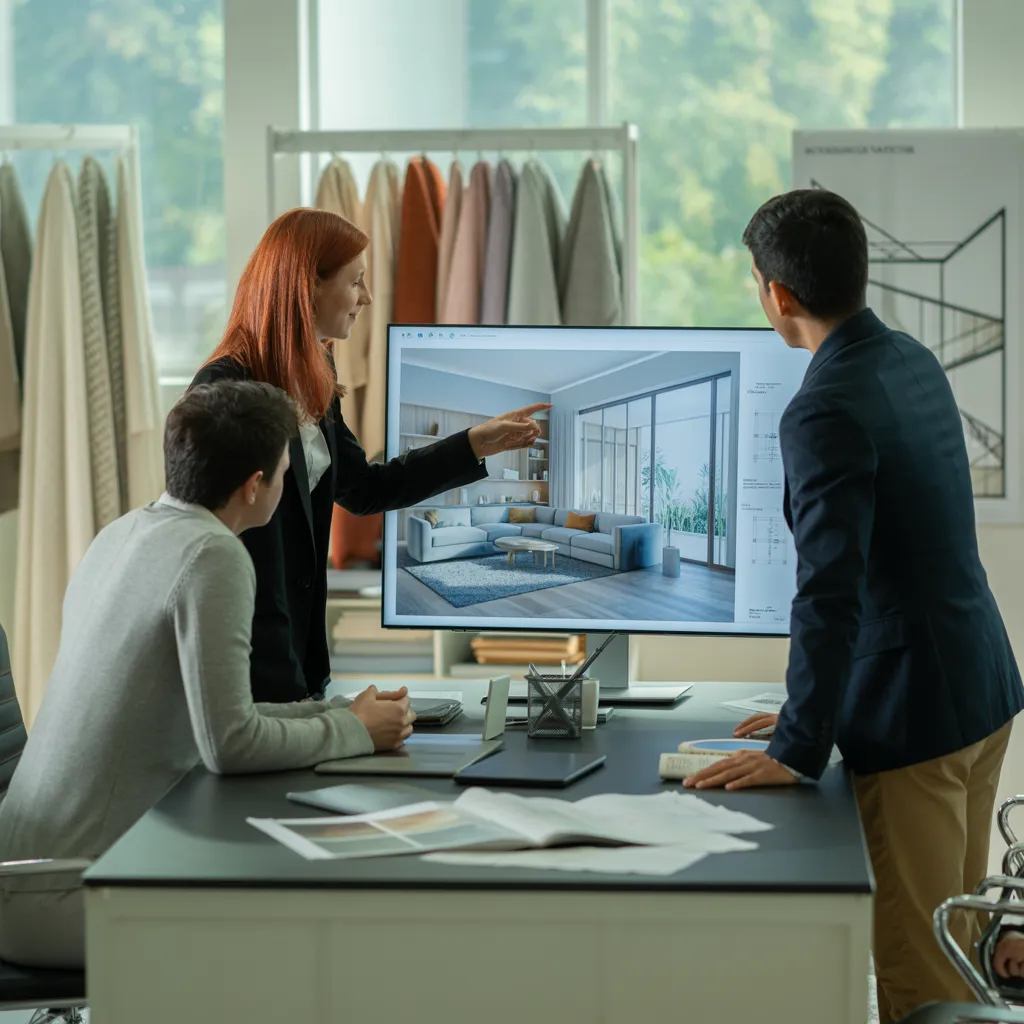
Architects shape the built environment by melding creativity with functionality. Their role extends beyond mere aesthetics; they consider how spaces impact human behavior, social interaction, and environmental sustainability. By assessing the needs of communities and clients, architects develop designs that boost usability while reflecting cultural values and historical contexts. They undertake meticulous planning, ensuring compliance with regulations and standards while integrating innovative materials and construction techniques. Architects also partner with various stakeholders, from engineers to urban planners, to achieve cohesive visions. Through their thoughtful approach, they contribute to the creation of spaces that foster well-being and community engagement. Ultimately, architects shape environments that resonate with both current needs and future generations, balancing innovation with practicality in every project.
Key Principles of Modern Design
Progressive design is grounded in several key principles that guide architects and designers in creating significant spaces. First of all, functionality remains essential; spaces must serve their intended purposes effectively. In addition, aesthetics play a crucial role, as visual appeal elevates user experience and engagement. The principle of context highlights the importance of integrating designs with their surrounding environment, respecting historical and cultural elements. Flexibility is also significant, allowing spaces to adapt to shifting needs over time. Additionally, the use of innovative technology can improve design processes, enabling more precise and creative solutions. Lastly, collaboration among various stakeholders fosters broad perspectives, leading to well-rounded and innovative outcomes. These principles collectively guide architects toward creating groundbreaking spaces that resonate with users.
The Importance of Sustainable Architecture
While the requirement for urban development continues to rise, the value of sustainable architecture grows more apparent. This approach not only addresses environmental concerns but also improves the quality of life for urban dwellers. By using eco-friendly materials and energy-efficient systems, sustainable architecture reduces waste and cuts carbon footprints. Architects play an important role in designing buildings that seamlessly integrate with their surroundings, fostering biodiversity and preserving natural resources. Moreover, sustainable architecture often results in long-term economic gains through lower energy costs and enhanced property values. As communities seek resilience against climate change, the integration of sustainable practices in architectural design is essential, supporting healthier urban environments and fostering a culture of sustainability for future generations.
Working With Stakeholders and Clients
Successful cooperation with clients and stakeholders is crucial in architectural design, as it guarantees alignment with the client's vision. Incorporating diverse perspectives throughout the process enriches the design outcome and fosters a sense of ownership among stakeholders. An iterative design approach facilitates continuous feedback, resulting in refined solutions that meet both aesthetic and functional needs.
Grasping Customer Vision
How do architects effectively capture the core of a client's vision? This fundamental question motivates architects to collaborate intensively with their clients, ensuring that every concept embodies their aspirations. Effective communication is key; architects facilitate discussions that prompt clients to convey their goals, preferences, and even anxieties related to the project. Through engaged listening and deliberate questioning, they acquire knowledge about the client's lifestyle and functional needs.
Sketches, mood boards, and other visual tools assist in connecting conceptual thoughts with concrete results. Furthermore, architects evaluate the emotional influence of the area, striving to develop spaces that align with the client's character. Ultimately, the architect's role is to synthesize these insights into a cohesive design that embodies the client's vision and enhances their experience.
Exploring Stakeholder Viewpoints
Understanding a client's vision is just the beginning of the architectural process; engaging with various stakeholders is just as crucial. Architects must actively involve clients, community members, and regulatory bodies throughout the design journey. This collaborative approach confirms that varied perspectives are taken into account, leading to solutions that address the unique needs of the space. By facilitating open discussions, architects can uncover insights that may not be apparent initially, fostering a sense of ownership among stakeholders. Moreover, addressing concerns early in the process can minimize potential conflicts and enhance project acceptance. Finally, effective stakeholder engagement not only strengthens relationships but also enriches the design, resulting in spaces that are practical, sustainable, and reflective of the community's aspirations.
Iterative Design Approach
The iterative design methodology prospers via continuous collaboration between architects, clients, and stakeholders. This dynamic approach enables the ongoing refinement of concepts and designs, guaranteeing that the final outcome aligns with the vision and needs of all parties involved. Regular feedback sessions facilitate open communication, empowering architects to adapt their designs based on client input and stakeholder insights. Through sketches, digital models, and prototypes, architects can visually communicate their ideas, fostering a shared understanding. This collaborative environment encourages creativity while reducing misunderstandings and costly revisions. By embracing an iterative methodology, architects not only enhance the functionality and aesthetics of their projects but also cultivate strong relationships with clients and stakeholders, ultimately leading to successful, innovative outcomes.
Integrating Technology in Architecture Planning
As technology continues to evolve, its integration into architectural planning has become essential for boosting design efficiency and effectiveness. Architects now use advanced software tools like Building Information Modeling (BIM) to create comprehensive, three-dimensional representations of structures, providing better visualization and collaboration among stakeholders. Furthermore, virtual reality (VR) and augmented reality (AR) empower clients to experience designs before construction, guaranteeing that their needs are met. Geographic Information Systems (GIS) play a essential role in site analysis and environmental impact assessments, providing data-driven insights for sustainable design. Automation tools streamline repetitive tasks, empowering architects to focus on creative aspects. All in all, technology not only enhances accuracy and reduces errors but also fosters innovative solutions in the architectural planning process.
Real-World Examples of Transformative Construction Works
Innovative architectural projects often demonstrate innovative residential designs that redefine living spaces. Moreover, sustainable urban developments highlight the integration of ecological principles within urban planning. These case studies provide insight into how architecture can address contemporary needs while encouraging environmental stewardship.
Creative Residential Design Concepts
Creative residential designs have emerged as a response to developing societal needs and environmental challenges, showcasing how architecture can redefine living spaces. Architects are increasingly implementing multifunctional elements into homes, expanding space while promoting flexibility. For instance, the use of modular furniture permits easy reconfiguration of living areas, accommodating diverse lifestyles. Additionally, open floor plans support connectivity among family members, improving social interaction. Case studies reveal the integration of natural light through generous windows and skylights, promoting well-being. Moreover, contemporary materials and construction techniques are being used to create elegant yet functional homes. These transformative projects not only showcase contemporary living but also set a precedent for future residential architecture, stressing the importance of adaptability and creativity in design.
Sustainable Urban Developments
Sustainable urban development represents a crucial shift in architectural practice, addressing the urgent need for environmentally sustainable designs in densely populated zones. Recent case studies demonstrate innovative projects that integrate green technologies and sustainable materials. For instance, the High Line in New York City transformed an abandoned railway into a vibrant public park, fostering biodiversity and community engagement. Likewise, the Bosco Verticale in Milan features vertical forests that improve air quality and reduce urban heat. By combining renewable energy sources, efficient waste management systems, and green spaces, these projects demonstrate how architecture can minimize climate change impacts. In the end, sustainable urban developments not only improve urban aesthetics but also foster healthier living environments, underscoring the significance of ecological considerations in contemporary architecture.
The Future Landscape of Architecture and Urban Development
As urban areas keep growing and developing, the prospective direction of building design and urban growth relies on the integration of technology, environmental concerns, and social dynamics. Architects are increasingly adopting smart technologies that boost power conservation and elevate the quality of urban life. Innovative materials and design strategies aim to reduce carbon footprints while promoting sustainability. Moreover, urban planners are concentrating on developing inclusive spaces that encourage civic involvement and interpersonal exchange. Multi-functional complexes and ecological zones are transforming into essential components of urban landscapes, addressing both functional and aesthetic needs. The collaboration between building specialists, municipal strategists, and local populations is crucial for forming resilient cities that respond to evolving societal compositions and ecological concerns, finally reshaping the relationship between people and their environments.
Common Questions
Which Tools Do Architects Utilize for Design and Planning?
Architects use numerous tools for architectural design and planning, including computer-aided design (CAD) software, 3D modeling programs, physical models, sketching tools, and project coordination applications to boost creative processes and streamline workflow through the architectural process.
How Do Architects Stay Updated With Design Trends?
Architects keep up-to-date with design trends by going to industry conferences, joining workshops, subscribing to architectural journals, joining online forums, and partnering with peers to discuss ideas and insights on emerging styles and technologies.
What Are Frequent Myths About Architecture?
Frequent false beliefs about architecture include the belief that it merely encompasses aesthetic considerations, that architects only design buildings, and that their work is only involves major projects, overlooking the essential nature of functionality and user experience.
How Do Architects Deal With Project Budget Restrictions?
Architects manage project budget constraints by prioritizing essential factors, partnering with clients to create realistic aims, sourcing cost-effective materials, and utilizing innovative design solutions that enhance functionality while meeting financial boundaries and objectives.
Which Professional Paths Are Open Within Architecture?
Throughout the area of architecture, various career options can be found, including landscape architect, urban planner, interior designer, and sustainable design consultant. Each position brings contribution in its own way to the built environment, stressing varying aspects of design and planning.